FAISALABAD/CHINIOT, Oct 25 (APP):Federal Minister for the Board of Investment Qaiser Ahmed Sheikh said that Pakistan is making vigorous diplomatic efforts to ease tensions between Iran and the United States, prevent escalation of regional conflicts and restore vital trade routes, stressing that lasting peace and stability are indispensable for economic recovery, international trade and investment growth.
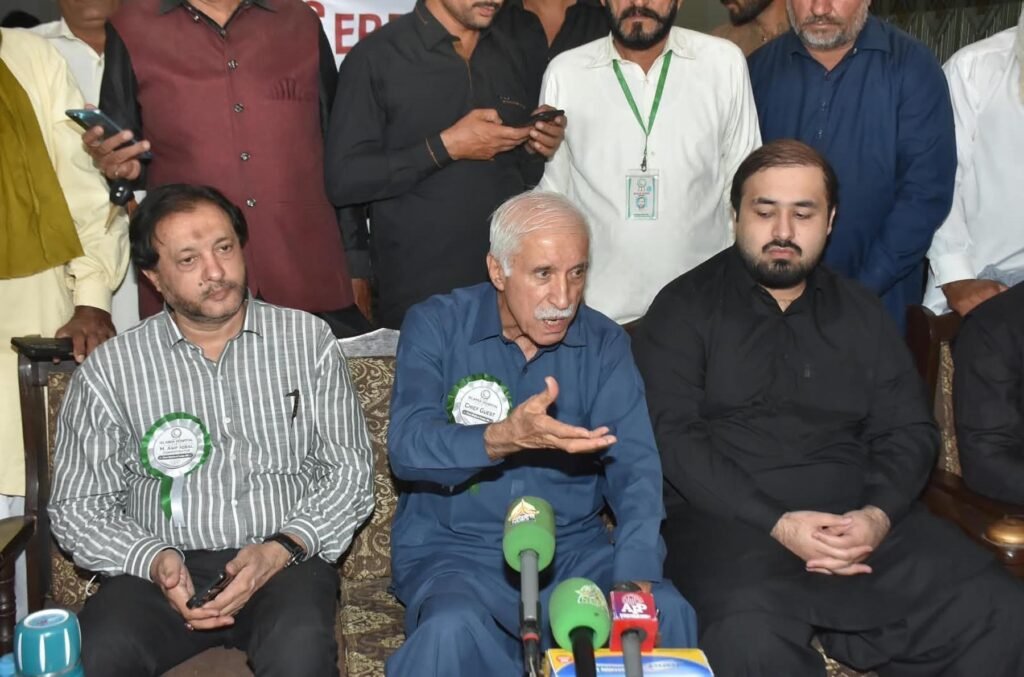
Talking to the media persons during his visit to a free medical camp in Chak No.150, Khokhar Aminpur Bungalow, Chiniot district, he said that the ongoing regional tensions were aggravating economic difficulties while rising oil, gas and energy prices are fuelling inflation and placing additional pressure on people and businesses across the world.
He said that Pakistan and other countries in the region were facing multiple challenges whereas the repercussions of continuing conflicts were being felt in economic activities, trade and daily life.
Pakistan was striving to persuade all parties to exercise restraint, prevent the conflict from spreading and work towards sustainable peace, he added.
He underscored the importance of protecting the holy sites particularly Makkah and Madinah, saying that their security was a matter of profound significance for the entire Muslim Ummah.
Referring to the regional security situation including attacks on Saudi Arabia and other sources of tension, the minister stressed that restoring stability was imperative to safeguard regional interests.
He said that Pakistan’s economy was already grappling with several difficulties and additional regional tensions could further undermine its trade prospects particularly amid existing trade barriers with Afghanistan and India.
He emphasized that restoration of normal commercial activities with regional countries and reopening of crucial international trade routes including the Strait of Hormuz were vital for Pakistan.
He said that restoration of peace and reopening of trade routes would facilitate imports and exports, create fresh investment opportunities and benefit not only Pakistan but also the wider global economy.
Improved regional stability would help businesses operate in a more predictable environment and support economic activity, he added.
He said that inflation and economic hardship were not confined to Pakistan as developed countries were also experiencing similar pressures.
He cited protests over economic conditions in France as an indication of the wider challenges confronting economies around the world.
During visit, Qaiser Sheikh also highlighted the importance of providing healthcare to underserved communities particularly in remote areas where access to medical facilities and specialist doctors remained limited.
He said that free medical camps had been organized in disadvantaged areas since last year’s floods to provide medical assistance to people in need.
The camps offered consultations by specialist doctors and diagnostic tests for hepatitis, diabetes and other diseases, enabling patients to receive timely medical attention.
Patients requiring advanced treatment or whose condition was serious were referred to Faisalabad, where arrangements were made to provide them with medical care free of charge, he added.
Expressing concern over detection of hepatitis cases in the area, the minister said that lack of access to clean drinking water could be a possible factor contributing to the spread of disease.
He clarified that further tests were being conducted to establish the situation accurately and verify the findings.
He said that the issue would continue to be brought to the attention of the relevant authorities and government departments so that the underlying causes could be identified and effective, long-term preventive measures taken.
Emphasizing the need to strengthen basic healthcare services, he said that people in remote communities must have access to timely diagnosis, medicines and qualified doctors.
He called for additional medical camps wherever necessary and improvements in hospital facilities to spare residents the difficulties of travelling long distances for treatment.
He also stressed the need to allocate great resources to health and education particularly children’s healthcare and schooling, saying that investment in these sectors was imperative for future of the country.
“A healthy and educated generation is the guarantee of a brighter future for the country”, he said, emphasizing that provision of basic facilities should remain among foremost priorities of the government.
Later, Qaiser Sheikh distributed clothes among deserving women and wheelchairs among persons with disabilities as part of the welfare activities associated with the visit.
Before visiting the medical camp, he met citizens who had come to his Dera and listened to their problems.
He subsequently visited Muslim Bazaar in Chiniot where he reviewed sanitation arrangements and sought information from shopkeepers about prevailing business conditions and prices of essential commodities.
He also visited the ‘Sahulat Bazaar’ to inspect arrangements and assess the facilities being provided to the consumers.
Source: APP (Associated Press of Pakistan)