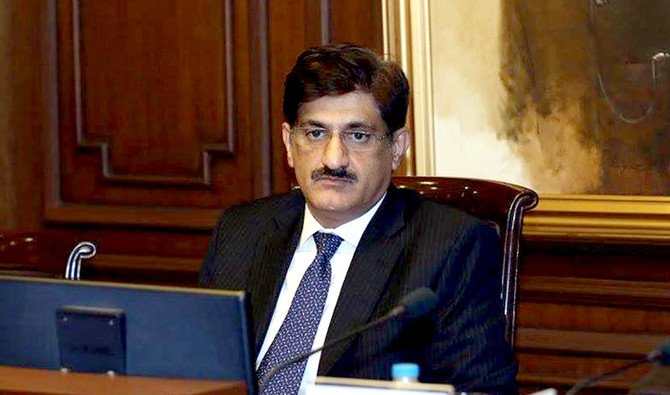
KARACHI, Oct 31 (APP): Sindh Chief Minister Syed Murad Ali Shah on Saturday said that the provincial government was working on master plans for 31 cities to ensure planned, sustainable and inclusive urban development, with Karachi and Hyderabad among the major cities whose plans were being prepared.
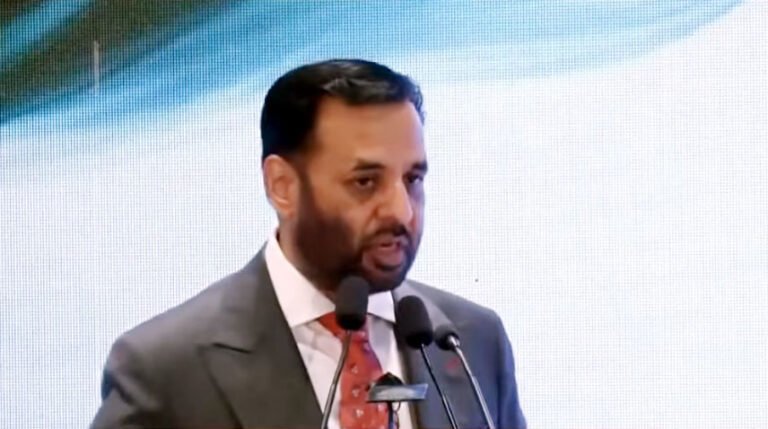
Addressing the Sindh Cities Forum 2026, organised by Sindh Master Planning Authority (SMPA) in collaboration with NED University and UN-Habitat to mark World Cities Day at Golf Club’s Convention Centre, the chief minister said master planning was essential to address the growing challenges of urbanisation, including unplanned construction, traffic congestion, water shortages, inadequate drainage and the effects of climate change.
According to the minister for local government, housing and town planning, master plans for 17 cities had been completed, while work on the remaining 14 was in its final stages. The government had so far issued notification for the master plans of nine cities: Sukkur, Larkana, Mirpurkhas, Umerkot, Mithi, Islamkot, Dadu, Nawabshah and Naushahro Feroze.
The CM said work on the master plans for Karachi and Hyderabad was progressing rapidly. International consultants had been engaged for Karachi’s master plan, which, he acknowledged, would be a particularly challenging exercise given the city’s existing urban conditions.
“Preparing a master plan for a new city from scratch is relatively easier. Correcting the existing situation in Karachi is a major challenge for consultants and urban planners,” he said, urging them to provide recommendations not only for improving the city’s condition but also for ensuring effective implementation of the plan.
Recalling his personal association with Karachi, the chief minister said he had witnessed the city’s rapid expansion. He observed that its growth had been accompanied by serious planning failures, which had made subsequent efforts to improve urban infrastructure increasingly difficult.
Referring to the 2020 monsoon flooding in Yousuf Goth, District West, he said roads that had originally been designed with proper carriageways, central islands and storm-water drains had subsequently been encroached upon. Shops had been established on service roads, medians and drainage channels, undermining the original infrastructure.
He acknowledged that successive governments, including his own, had made mistakes that contributed to the city’s present condition.
“Once a city develops structural problems, correcting them becomes extremely difficult,” he said, adding that the government could not resolve urban challenges without the cooperation of residents, planners, builders, utility companies and other stakeholders.
Murad Ali Shah cited Sukkur as an example of how sustained investment could improve urban infrastructure. He said the city’s roads and drainage system had been improved over the past seven to eight years, including through public-private partnerships.
Highlighting delays caused by utility companies, he recalled that during construction of the Shaheed Zulfikar Ali Bhutto Expressway, the relocation of K-Electric infrastructure had delayed work despite payment for shifting its lines. He said utility companies and even the Water and Sewerage Board often took considerable time to relocate their networks.
The chief minister said the absence of accurate maps of underground water, sewerage and electricity lines had also complicated development projects. The provincial government had undertaken GIS surveys to map underground utilities to a considerable extent, he added.
He stressed that traffic management and parking requirements must be incorporated into urban development plans.
Allocating commercial shops on land reserved for parking, he warned, further aggravated congestion and undermined the functioning of cities.
The chief minister said the government had arranged funds for Karachi’s development despite the difficulties associated with undertaking construction work in a city with a population of around 25 million.
He also referred to vision of Pakistan Peoples Party Chairman Bilawal Bhutto-Zardari to transform Karachi into a modern, smart city meeting international standards. The objective, he said, was to make the metropolis economically stronger and more attractive for business and tourism.
The CM said urban development should ultimately improve the everyday lives of citizens. The government was pursuing projects relating to roads, highways, bridges, public transport, parks, healthcare, education, water supply and drainage across the province.
He also cited the Sindh Peoples Housing Scheme, inter-district roads, improvements to the irrigation network, hospital and educational infrastructure, industrial development, sports facilities, market rehabilitation, plantation drives and major water and sanitation schemes as part of the provincial development agenda.
The chief minister said the objective was to develop cities where all citizens could enjoy equal opportunities for progress, better services, security and a sustainable future.
He expressed appreciation for the collaboration between the Sindh Master Planning Authority, NED University and UN-Habitat, saying collective efforts were essential to making Sindh’s cities more liveable, resilient and economically productive
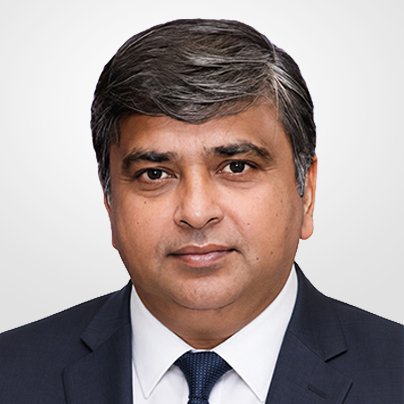
Earlier, the minister for local government, housing and town planning Syed Nasir Shah said the department had been entrusted with the responsibility of urban planning in Sindh and had established the Sindh Master Planning Authority to oversee city planning, development control and sustainable urban growth.
He said master planning provided a long-term framework for determining the location and development of residential and commercial areas, industries, roads, public transport, parks, hospitals, educational institutions and essential municipal services.
He said the Sindh Cities Forum would provide an important platform for government institutions, universities, urban planners, experts and other stakeholders to exchange ideas and develop practical solutions for the province’s growing cities.
Both speakers emphasised that sustainable urban development required coordinated planning, public participation, efficient use of available resources and stronger cooperation between government departments, academic institutions, local authorities and the private sector.
Source: APP (Associated Press of Pakistan)