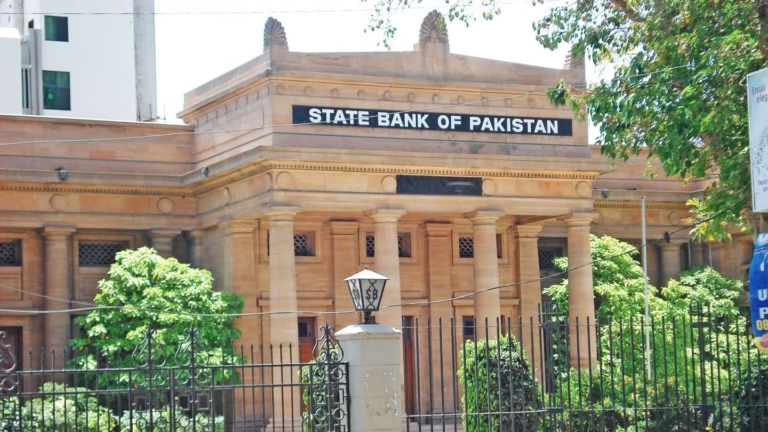
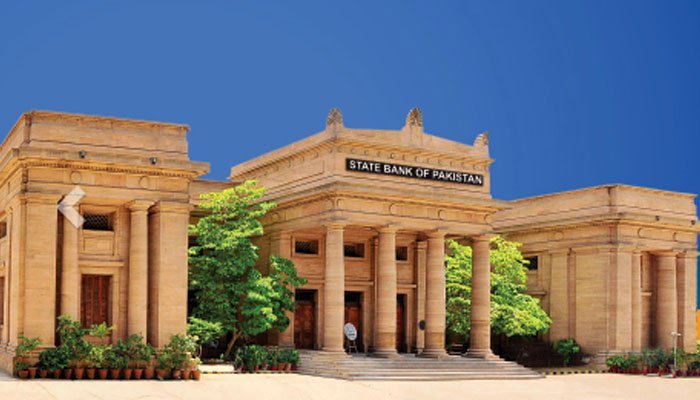
LAHORE, Oct 30 (APP):State Bank of Pakistan (SBP) Governor Jameel Ahmad has said that a significant increase in financing for small and medium enterprises (SMEs) is among the government’s key economic priorities, while agriculture, housing and exports are also receiving special attention.
He was addressing the business community here at Lahore Chamber of Commerce and Industry (LCCI) on Friday. LCCI President Ali Hussam Asghar, Senior Vice President Sardar Usman Ghani, Vice President Chaudhry Khadim Hussain, SBP Deputy Governor Saleem Ullah, Executive Director Akhtar Javed, Chief Manager Ansar Iftikhar Butt, Senior Deputy Chief Manager Muhammad Tahir and EXIM Bank Chief Executive Officer Shahbaz Hussain Syed also spoke on the occasion.
Governor Jameel Ahmad said the limit for SME loans without collateral had been increased from Rs 10 million to Rs 50 million. The definition of SMEs had also been revised. The annual turnover limit for small enterprises had been raised from Rs 150 million to Rs 400 million, while that for medium enterprises had been increased from Rs 800 million to Rs 02 billion. Businesses with an annual turnover of up to Rs 02 billion could now benefit from SME financing facilities.
He said the government was taking measures to address the cost of doing business, taxation and energy-related challenges. The government’s housing finance scheme was revised in March 2026. Before the revision, banks’ outstanding housing finance stood at Rs 251 billion. Under the revised scheme, banks approved financing of Rs 521 billion for around 80,000 applicants within six to seven months. Under the Prime Minister’s Youth Business and Agriculture Scheme, young entrepreneurs were being provided loans at mark-up rates ranging from zero to 07 per cent.
He said the SBP, in collaboration with SMEDA and commercial banks, had simplified the SME loan application form and reduced it to a single page. The SME Connect Portal would become operational on November 1, 2026, enabling entrepreneurs to submit loan applications online from their homes and track their progress at every stage.
Sharing SME financing figures, Governor SBP Jameel Ahmad said outstanding SME financing had increased from Rs 491 billion in June 2024 to Rs 691 billion in June 2025 and approximately Rs.1,110 billion in June 2026. The number of SME borrowers had also risen from 177,000 in June 2024 to 275,000 in June 2025 and around 325,000 in June 2026.
Regarding export financing, he said the limit under the Export Refinance Scheme had been increased from Rs 1 trillion to Rs 1.5 trillion. Of this amount, Rs 300 billion had been specifically allocated for SME exporters. The Cabinet had also approved a 10-year long-term export financing scheme to support export-oriented investment.
LCCI President Ali Hussam Asghar said a joint financing mechanism involving industry, the government, EXIM Bank and commercial banks could help accelerate SME growth. He proposed selecting 1,000 SMEs on the basis of available data, identifying the obstacles they faced in accessing finance and developing a practical facilitation model. If successful, the model could be replicated across the country.
He urged the SBP to link its complaint center with the LCCI complaint center to facilitate importers and exporters facing difficulties with commercial banks, including delays in opening letters of credit (LCs) and other banking-related issues. He said that a clear timeline should be established for resolving complaints.
Ali Hussam Asghar said a major part of the economy was outside the export sector, making it essential to extend financing facilities to local industries and businesses as well. He proposed performance-based incentives for industries that increased employment. For example, an entrepreneur increasing the workforce from 300 to 330 employees should receive special financing incentives for creating additional jobs.
LCCI Senior Vice President Sardar Usman Ghani highlighted the potential of Islamic banking in expanding SME financing. He said the total financing of the Islamic banking sector in Pakistan had reached Rs 06 trillion, recording annual growth of 48.9 per cent. Islamic banking accounted for 39.1 per cent of total banking financing, but its share in SME financing was only 15.9 per cent.
He proposed setting a minimum target of 5.9 per cent for SME financing by Islamic banks, in line with the overall banking sector average. According to him, this could provide an additional Rs 204 billion in financing to SMEs. He said the bad-debt ratio in the SME portfolio of Islamic banks was only 2.2 per cent, compared with 5.5 per cent in the overall banking sector, indicating the potential to expand lending to this segment.
LCCI Vice President Chaudhry Khadim Hussain thanked the SBP Governor and his team for visiting the Lahore Chamber and listening to the concerns of the business community. He stressed that the proposals discussed during such meetings should be followed by practical action to resolve business issues and enable SMEs to play a more effective role in national economic development.
Former LCCI Vice Presidents Mian Zahid Javed and Haris Atiq were also present. Executive Committee members Sheikh Muhammad Ibrahim, Chaudhry Fargham, Sahir Mushtaq, Adeel Babar Khan, Muhammad Ali, Shahzad Mahmood, Ali Raza, Chaudhry Zulfiqar Ali, Syed Yousaf Jamil Hussain Rizvi, Amir Ata Barry, Mardan Ali Zaidi and Muhammad Yaseen were also present.
Source: APP (Associated Press of Pakistan)