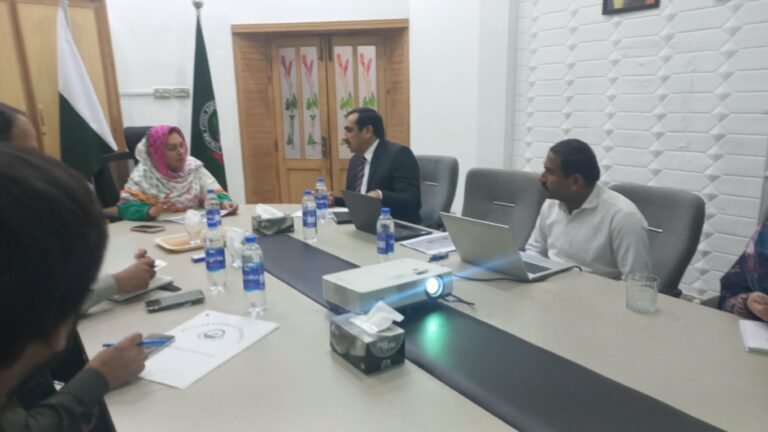
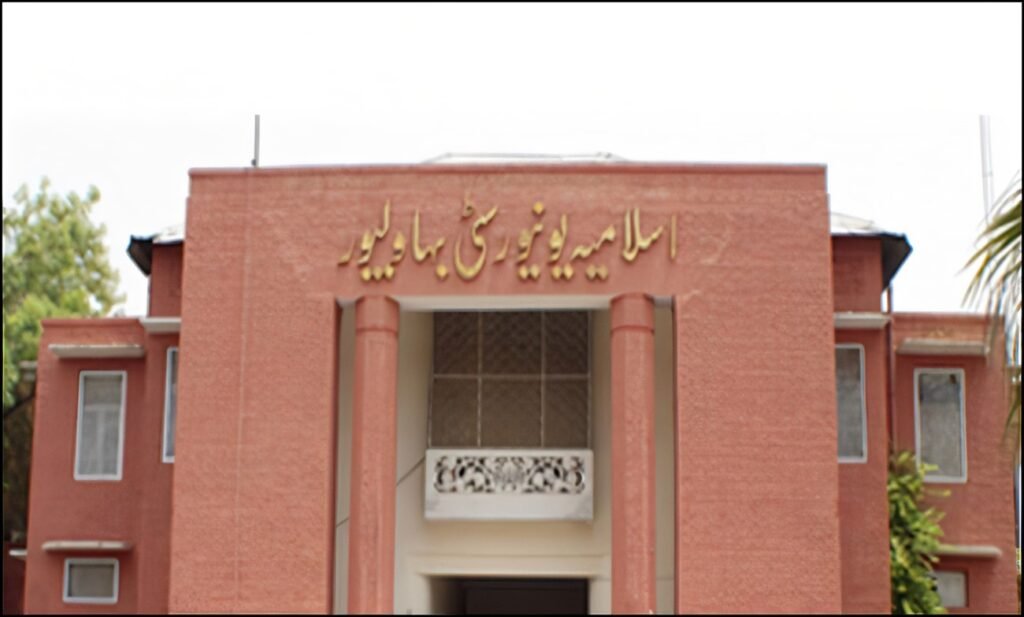
BAHAWALPUR, Oct 28 (APP): The Faculty of Agriculture and Environment, The Islamia University of Bahawalpur (IUB), in collaboration with the Pakistan Crop Protection Association, the Young Peace and Development Corps, and the Ministry of Planning, Development and Special Initiatives, organized a one-day conference on “Role of Public and Private Sector in Agriculture and Food Security.”
The conference brought together academic leaders, government officials, agricultural experts, researchers, representatives of the private sector, progressive farmers, and students to discuss challenges facing Pakistan’s agricultural sector and explore collaborative solutions for sustainable agricultural growth and food security.
The event was attended by Vice Chancellor, The Islamia University of Bahawalpur, Professor Dr. Muhammad Kamran; Vice Chancellor, Government Sadiq College Women University Bahawalpur, Professor Dr. Shazia Anjum; Additional Director General, Riaz Kulachi; Additional Director, Syed Burhan Ali Shah; representative of the Pakistan Crop Protection Association, Arshad Ghumman; and Dean, Faculty of Agriculture and Environment, Professor Dr. Tanveer Hussain Turabi. Director, Directorate of Industrial Linkages, Dr. Muhammad Asif Khan, who served as the principal organizer, also addressed the participants.
In their keynote addresses, the speakers highlighted food security as one of the most pressing challenges facing Pakistan and the wider region. They identified rapid population growth, climate change, water scarcity, declining soil fertility, and rising agricultural production costs as major factors affecting food production. They stressed that these challenges require coordinated efforts by government institutions, academia and the private sector. Additional Director General Riaz Kulachi emphasized the importance of the responsible and regulated use of pesticides, effective pest surveillance and stringent quality control. He noted that appropriate crop protection measures were essential for improving agricultural productivity while safeguarding human health, protecting the environment and maintaining the competitiveness of Pakistan’s agricultural exports.
Vice Chancellor Professor Dr. Muhammad Kamran reaffirmed IUB’s commitment to applied and solution-oriented research and stronger collaboration among universities, government departments and industry. He emphasized that research findings should be translated into practical solutions that benefit farmers, improve crop productivity and address emerging agricultural challenges. Vice Chancellor Professor Dr. Shazia Anjum highlighted the importance of educating and empowering women, recognizing their significant contributions to agricultural labour and household food management. She also stressed the need to engage young researchers and students in agricultural innovation to develop sustainable and inclusive solutions for the sector.
Dean, Faculty of Agriculture and Environment, Professor Dr. Tanveer Hussain Turabi, discussed the adoption of modern agricultural practices, climate-smart farming and sustainable resource management. He also highlighted the faculty’s research and outreach initiatives aimed at addressing the needs of the farming community in the region. Director, Directorate of Industrial Linkages, Dr. Muhammad Asif Khan, underscored the importance of structured collaboration between public institutions and private enterprises in promoting technology transfer, skills development, value addition and improved market access for agricultural products. He also thanked the sponsors, partner organizations, faculty members, students, and guests for their support in making the conference possible.
The speakers collectively emphasized that coordinated policymaking, increased investment in agricultural research, the adoption of modern technologies and stronger public-private partnerships were essential for sustainable agricultural development and national food security. They highlighted the potential of precision agriculture, drone-based monitoring and other technological innovations to improve resource efficiency, strengthen crop monitoring and enhance agricultural productivity.
The conference was attended by a large number of faculty members, researchers, representatives of government departments and private-sector organizations, progressive farmers and students. The event underscored IUB’s commitment to strengthening academia-industry linkages and promoting research, innovation and collaborative initiatives to address agricultural challenges and contribute to Pakistan’s long-term food security.
Source: APP (Associated Press of Pakistan)