Hina Durrani
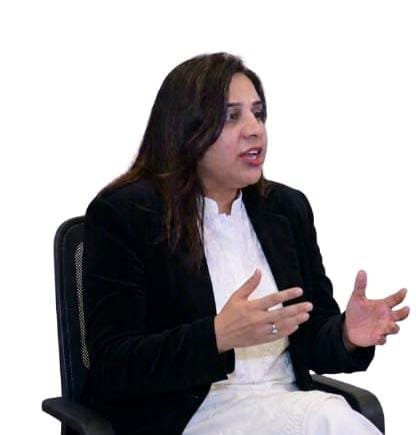
ISLAMABAD, Nov 29 (APP):Lawyer Hajra has called for strengthening child protection mechanisms in schools through effective legal safeguards, institutional accountability and awareness programmes to protect children from abuse, exploitation, child labour and other forms of violence.
Talking to APP, she said child protection was fundamental to the development and well-being of society, adding that safeguarding children’s physical, mental, emotional and psychological health was a collective responsibility of the state, educational institutions, parents and society.
She highlighted several challenges confronting children, including neglect, physical and sexual abuse, child labour, early marriages, cyberbullying and online exploitation, stressing that such practices deprived children of their fundamental rights, education and a safe childhood.
Referring to the constitutional and legal framework of Pakistan, she said Article 25-A of the Constitution guaranteed free and compulsory education to children aged five to 16 years, while Article 11 prohibited forced labour and certain forms of child labour.
She also referred to relevant provisions of the Pakistan Penal Code, including Sections 328-A, 377-B and 364-A, which deal with cruelty to children, sexual abuse and kidnapping in specified circumstances, respectively.
Highlighting the need to address emerging digital threats, she said the Prevention of Electronic Crimes Act (PECA) provided legal provisions against child pornography and related online offences, emphasising the importance of protecting children from cyber exploitation and online predators.
Hajra stressed that schools must adopt comprehensive child safety policies, including digital or biometric attendance systems to immediately inform parents about unexplained absences.
She said children should only be handed over at school closing time to parents or guardians authorised in the school’s records, while background and police verification of teachers, drivers, security guards and other support staff should be made mandatory.
She further recommended installing functional CCTV cameras at school entrances, corridors, playgrounds and other common areas, alongside eliminating security blind spots and ensuring appropriate supervision of isolated sections of school premises.
Emphasising preventive education, she said children should be taught age-appropriate lessons about safe and unsafe touch, personal boundaries and how to report inappropriate behaviour without fear.
She also called for confidential complaint mechanisms and an open-door policy in educational institutions, enabling children to report abuse or harassment safely.
Schools should pay particular attention to sudden behavioural changes, including unusual silence, fear or withdrawal, as these could indicate that a child was facing abuse or distress, she added.
She also stressed the need for appropriate supervision and safety arrangements around school washrooms and other shared facilities to prevent unauthorised access and protect children’s privacy.
Proposing institutional-level legal support, Hajra suggested appointing trained and independent legal advisers or child protection lawyers in schools to guide victims and families in cases of abuse, violence or exploitation and facilitate timely legal action, including the registration of FIRs where warranted.
She said such legal support must operate independently and transparently so that children and complainants could report incidents without fear of social stigma, pressure from parents, intimidation by teachers or retaliation from school administrations.
She emphasised that an effective child protection system required coordination among law enforcement agencies, educational institutions, legal professionals, parents and civil society to ensure a safe learning environment and access to justice for every child.
Source: APP (Associated Press of Pakistan)