PESHAWAR, Oct 23 (APP):Support from influential religious scholars in 54 underserved union councils (UCs) and several high-risk border areas of Khyber Pakhtunkhwa has helped strengthen community trust in vaccination and improve routine childhood immunization against 13 vaccine-preventable diseases.
Implemented by the Medical Emergency Resilience Foundation (MERF) in partnership with the Expanded Programme on Immunization (EPI), Khyber Pakhtunkhwa and Gavi Vaccine Alliance, the initiative aimed to bridge immunization gaps by addressing cultural sensitivities, navigating local social norms, and engaging communities through trusted religious leaders.
The project covered 54 underserved union councils across Peshawar, Khyber, Karak and Kurram districts, combining community engagement with efforts to strengthen frontline immunization services.
“The Ulema did not replace our health workforce; they stood alongside them and created a safe, trusted space for dialogue, enabling our outreach workers and vaccinators to perform their duties effectively,” said Dr. Junaid Khan, Project Manager at MERF.
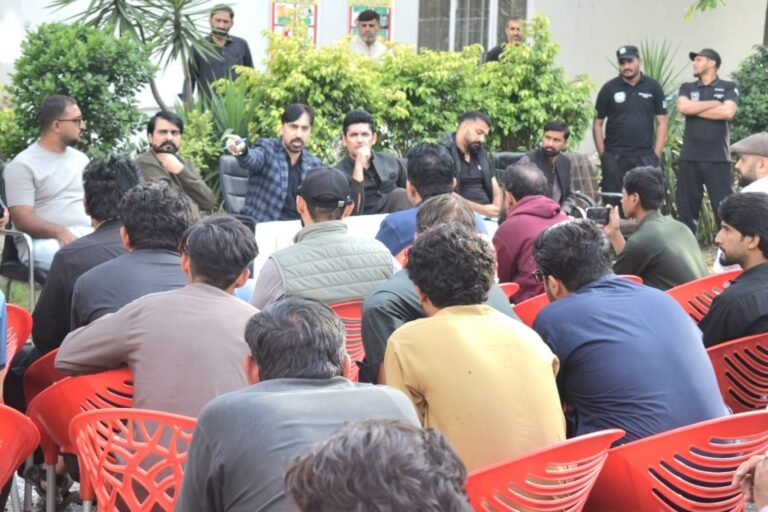
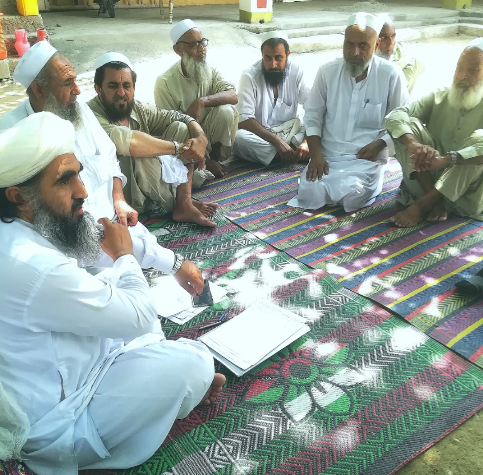
Under the initiative, around 170 influential religious scholars participated in structured dialogues with health professionals to discuss the safety, efficacy and importance of routine childhood immunization against 13 vaccine-preventable diseases.
Equipped with scientific evidence, the scholars emerged as community advocates for vaccination.
Through Friday sermons, religious edicts (fatwas) and recorded video messages, they addressed misconceptions and presented immunization as a means of protecting children, families and the wider community.
The initiative complemented community-level awareness efforts with accessible vaccination services, ensuring that vaccinators and vaccines were available when parents were encouraged to seek immunization for their children.
To address gaps in frontline service delivery, MERF also deployed 96 vaccinators and 85 dedicated Community Outreach Workers (COWs) to support immunization activities and community engagement.
Between July 2025 and October 2026, the targeted union councils recorded increases in vaccination coverage.
According to the EPI Management Information System (MIS), coverage for the third dose of the pentavalent vaccine (Penta-3) rose from 60 per cent to 89 per cent, while coverage for the first dose of the measles-rubella vaccine (MR-1) increased from 56 per cent to 83 per cent.
MERF outreach workers also identified 9,154 zero-dose infants, of whom 7,584 were successfully vaccinated, bringing 84 per cent of them into the routine immunization network.
In addition, defaulter-tracking activities helped bring 55,184 under-immunized children up to date on critical vaccines.
Prominent religious scholars who participated in the initiative included Maulana Abdul Samad, Nazim of Madrassa Darul Uloom Palosin Wazir in Kurram district; Maulana Luqman Khan, Mohtamim of Madrassa Darul Uloom Nooria in Khyber district; Mufti Asif Khan of Khyber district; Maulana Amin ur Rehman Rehmani of Peshawar district; and Mufti Fazle Rabani of Urmar Bala, Peshawar, among others.
“Reaching marginalized and zero-dose communities requires a genuine local approach to gaining people’s trust,” Dr. Junaid Khan said.
The initiative highlights the importance of integrating social and behaviour change communication with frontline health services to improve immunization access and acceptance, particularly in underserved and high-risk communities.
By engaging trusted local leaders alongside health professionals, EPI Khyber Pakhtunkhwa and its partners are working to strengthen community participation, address vaccine hesitancy and expand access to essential childhood immunization, Dr. Junaid Khan added.
Source: APP (Associated Press of Pakistan)