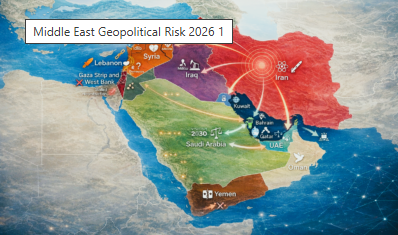
WASHINGTON, Oct 06 (APP):The conflict that began in February 2026 continues to impose serious economic costs across the Middle East, North Africa, Afghanistan and Pakistan (MENAAP), with regional output projected to contract by 2.1 per cent in 2026, the World Bank said in its latest economic update on Tuesday.
The report titled “From Divide to Opportunity: AI, Jobs, and Growth,” said unlike previous energy shocks, which typically benefited oil exporters, the closure of the Strait of Hormuz had imposed the largest costs on oil-exporting Gulf countries.
The conflict is also affecting tourism, aviation and logistics, while heightened uncertainty is weighing on financial markets and business sentiment, the report noted.
The economic impact has been most severe among oil exporters affected by the closure of the Strait of Hormuz, where lower export volumes have translated into substantial losses in output and government revenues.
Gulf Cooperation Council (GCC) economies are projected to contract by an average of 4.3 per cent.
In contrast, oil-importing countries in the region have remained comparatively resilient, with growth projected to rise to 4.3 per cent in 2026 from 3.9 per cent in 2025.
Inflationary pressures are also rising across much of the region, particularly through higher food prices as shipping disruptions raise import costs and strain supply chains.
The report said that even as the conflict slows growth, new opportunities continue to emerge, particularly in artificial intelligence, which has the potential to boost the productivity of up to 20 per cent of the region’s jobs.
“Longer term, artificial intelligence has the potential to boost regional productivity and growth, but structural gaps must be closed,” the report said.
In fragile and conflict-affected economies, the shock is compounding longstanding vulnerabilities. Poverty is increasingly concentrated in these economies, and MENAAP remains the only region in the world where poverty levels rose in the last decade while they declined elsewhere.
Regional output had expanded by 3.3 per cent in 2025 before the projected contraction in 2026.
If the conflict subsides by the end of 2026, regional growth excluding Iran is projected to rebound to 7.8 per cent in 2027, driven largely by the recovery of hydrocarbon production and exports. However, a regional recovery is not guaranteed and will require sustained policy efforts.
Damaged infrastructure, postponed investment and depleted fiscal buffers could continue to weigh on growth long after the immediate shock has faded, the report cautioned
Source: APP (Associated Press of Pakistan)